

No one loses more than you
Fauda Seasons 1 and 2 (Arabs, Jews, sex, guns, coffee and cigarettes in the Middle East)

Anyone who’s been online in the last decade knows what it’s like to accuse someone of being a Jew or be accused of being a Jew. Whether you’re on Hinge, Pinterest, or LinkedIn, chances are you’ve been on at least one side of the equation. I’m personally starting rumors that both Candace Owens and Tucker Carlson are cryptoheebs and have it on good authority that both are circumcised.
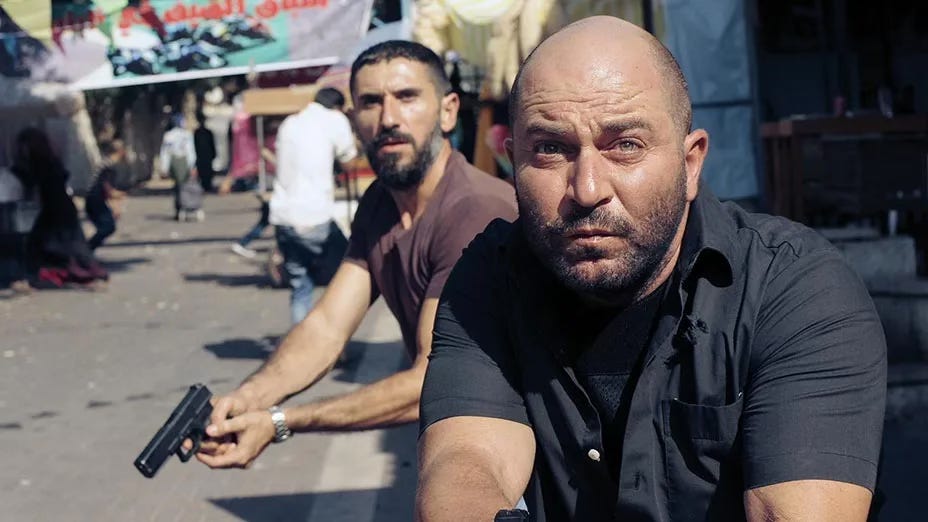
Coincidentally enough, today I present to you a post reviewing the first two seasons of Netflix’s Fauda (2015), an action/drama chronicling an Israeli anti-terror task force pursuing a whole bunch of guys who, whether Arab, Levantine or any other flavor of Muslim, are always accusing each other of being Jews and collaborators mere moments before they’re all hanging out and laughing again like nothing happened. Just how a 2015 show from Israel was so adept at depicting the online right in 2025, I’ll never know but here’s a topical, not quite timely, not-quite review, mostly lacking in spoilers because it lacks depth but politics is also boring and its analysis lacks yet more depth so here’s a little variety written a few weeks ago and produced for you now…
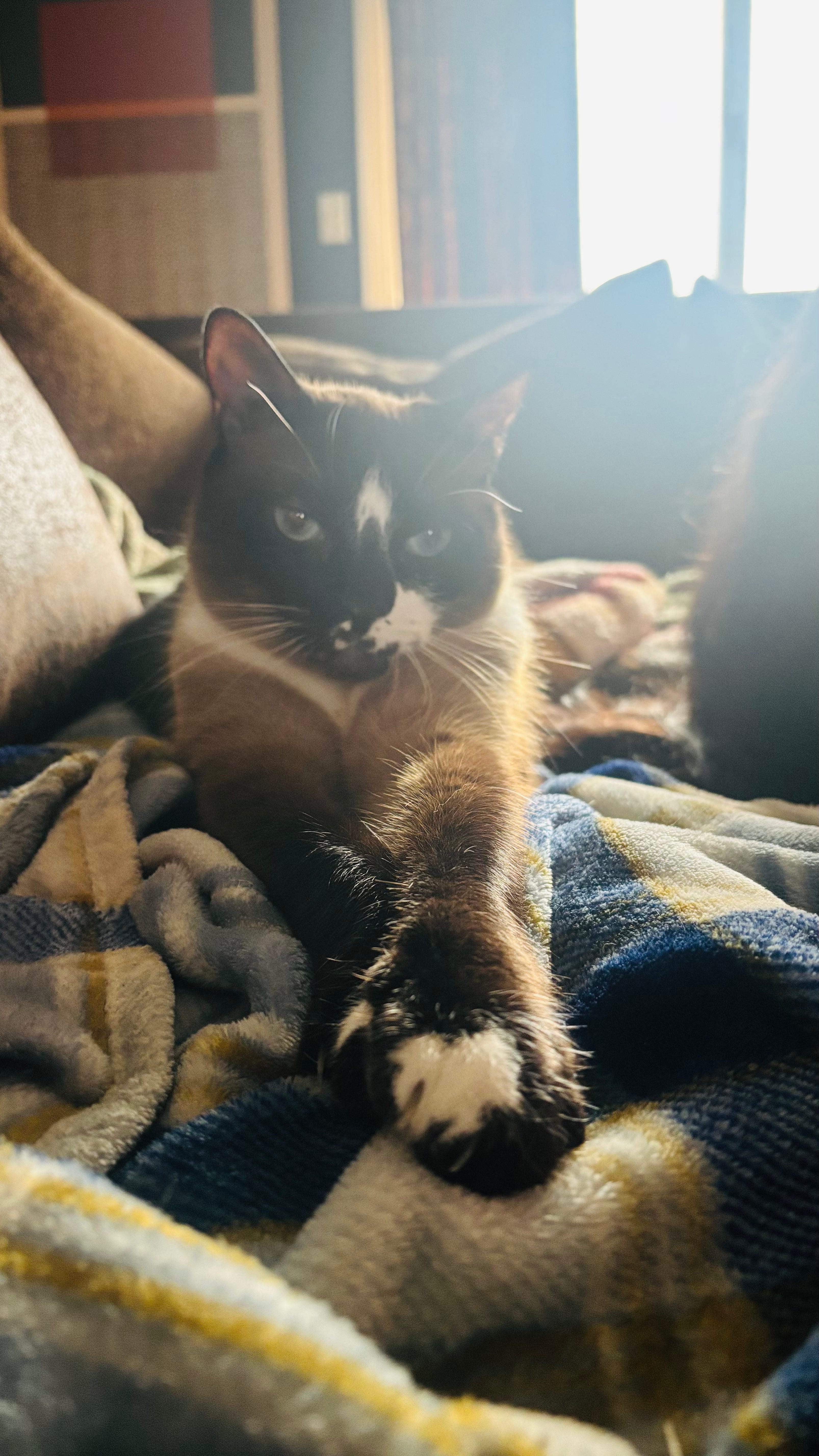
My wife is traveling at the moment and so it’s just me and these nine cats. We’ve been watching an Israeli Netflix show called Fauda (half Hebrew, half Arabic) that tracks a special unit of Israeli cops/military/intel guys who are often criminal in their contemporary actions and were likely criminal in their previous ones, whatever they did that landed them on the team in the first place. It’s not totally explained.
It features an ensemble cast of telegenic but unconventional-looking people who sometimes dress poorly but are impassioned and very charming. They drink, they knock boots with civilian honeys, and have heated, melodramatic cop fights where everyone gets their blood pressure up. Some are strait-laced, some loose cannons. They wear costumes, apply hair, makeup, and cartoonish mustaches. They do extreme violence with alternately immaculate and sloppy results and they have a van like The A-Team allowing them to swoop in and exfiltrate people with aplomb.
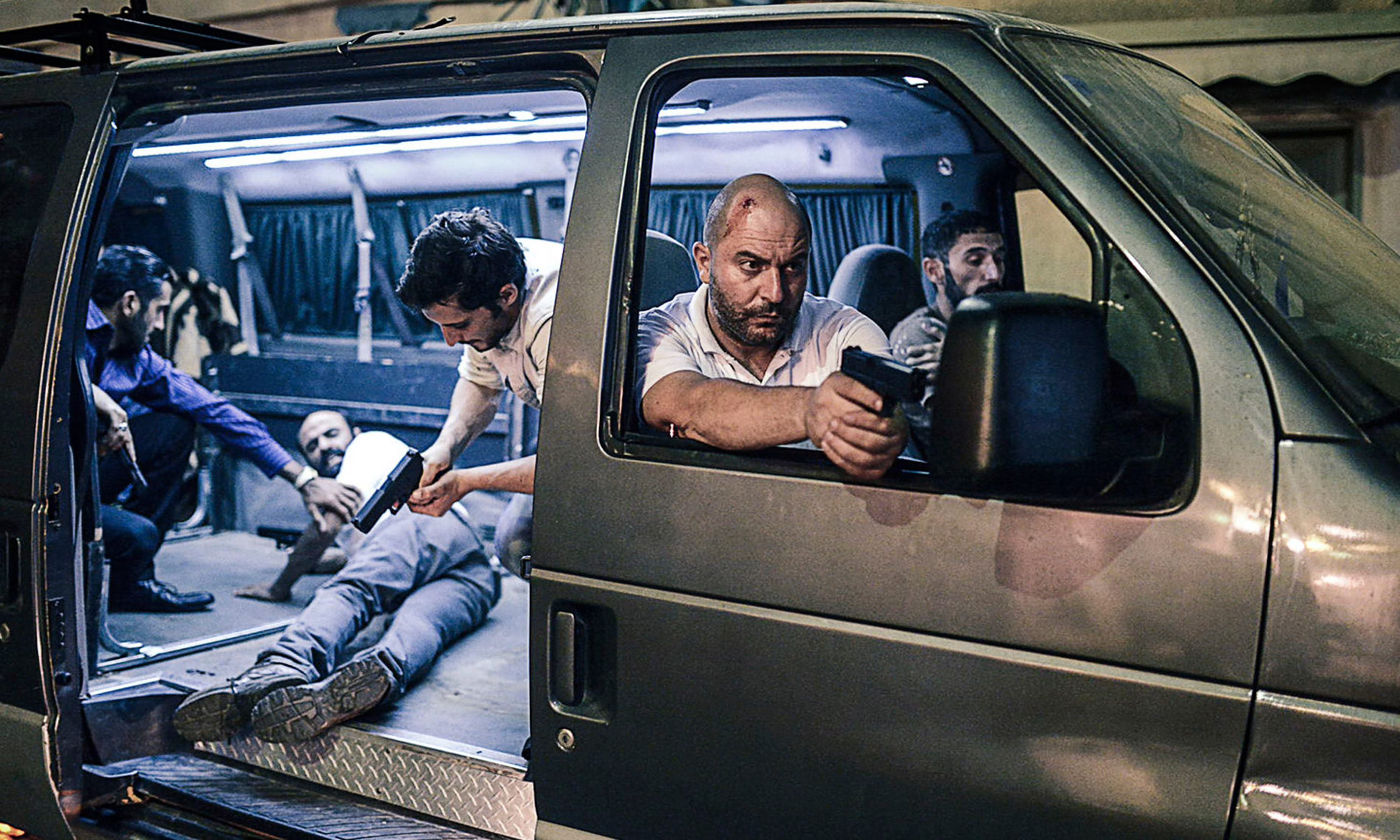
The title comes from the Arabic word for chaos and serves as the slang term for a mission gone tits up. Sometimes they say things like, “Ah, we’re caught in a fauda!” Right before infinity gun shots ring out or a Mexican standoff ensues.
Human rights are not really a thing in this series and no one gets out unscathed. In fact, as soon as you begin to like a character, especially a character you’ve spent some time disliking, you can be pretty sure their days are numbered. In just the moment someone’s growing on you, you can be pretty sure they’re about to die and you can imagine how slow you would be to get to know someone if you associated your affection for them with their death sentence, how you wouldn’t swap spit so much if you thought your kiss were fatal, how you’d be slower to learn their names if you thought your connection made you deadly. How lonely to be Midas or Medusa. This is where the protagonist, Doron, lives and yet he can’t help it.
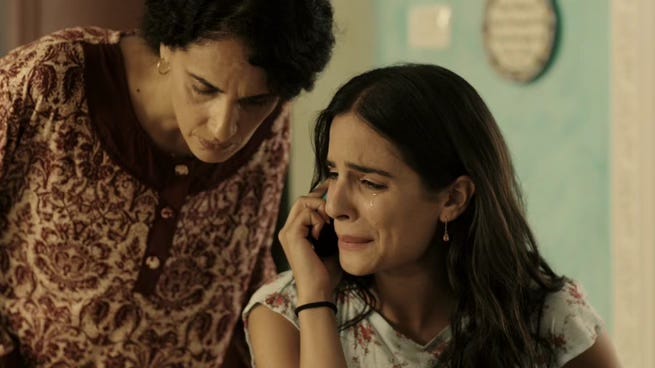
Everything that happens here happens out of honor or desperation and the less you have to lose, the more desperate you get. Everyone is always losing someone in Fauda. Blood feuds and vendettas beget more feuding and more vengeance, and no one loses more people than you, the viewer on your couch with your cats, empathizing with Israelis and Palestinians alike because you’re such an empath. Wherever you are, I hope your odds of getting body-snatched Polymarket lower than the characters on the show but maybe you can still see yourself here in this half-urban hellhole where it’s easy to love and easy to get shot. Maybe you have fantasies or ancestral memories of a more precarious time before gentrification/captivity and you secretly yearn for it. Depending on your location, you may already be heading there. Maybe you’re focusing on The Middle East so you don’t have to focus on home.
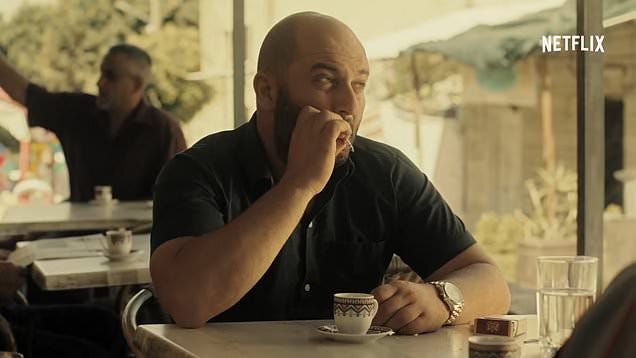
Doron is a chubby, bald guy with stubble. He smokes and drinks coffee. A lot. The characters smoke inside their police gym. They smoke when they meet on remote hilltops. And they smoke when they flirt. Sometimes they smoke weed, whether in cigarettes or through bongs, and they drink whiskey when they’re sad and mourning the dead, which happens a lot because people are always dying. You don’t have to get too many episodes deep to understand that, if The Lord fights for Israel, his weapons are imperfect.
Speaking of—this guy Doron, we learn (or maybe Israelis can just infer on contact) is an Arab Jew. And down the line everything about him is liminal...Is he a fat schlub or a chad with an attitude problem? Does he derive his ability to hunt down Arabs from his commonalities à la Hans Landa or is he just preternaturally good at finding trouble and running straight into it? Did I mention that girls love a bald, troubled guy in a t-shirt?
This guy always has trouble, especially in his personal life. He’s caught between his family, his wife and two kids and their vineyard, and the team, his duty to fight the good fight and pursue conflict where it may take him.
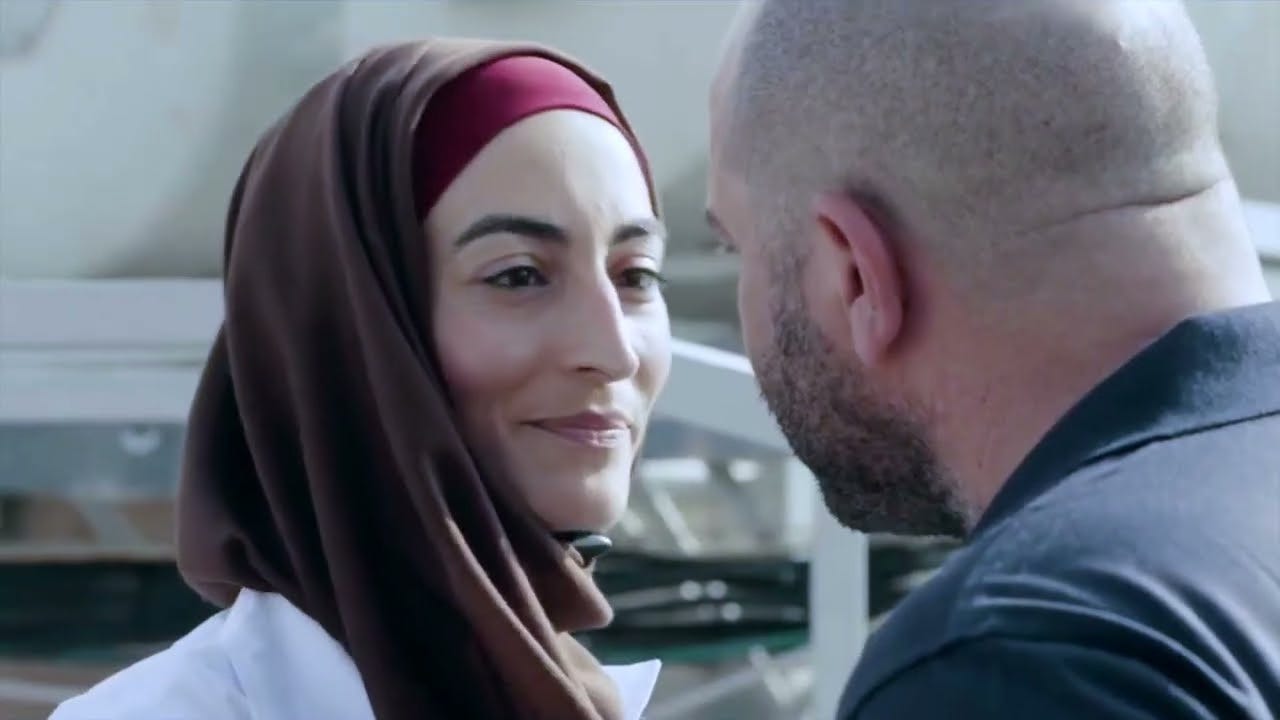
This is the chapter of Doron’s life that maps to the first episode of Fauda. He gets tapped out of his cushy command post to come back for ONE MORE MISSION. The team, which is his old team, is already together. But his wife warns him not to go. She’s a dishy smol bean seductress who can only take so much. Plus, her baby brother is on the team and it sure would be a shame if she lost both her husband and her brother on the same mission. Given the choice between avoiding cliché and upping the stakes, the writers opt to jack them up. They do not really fuck around with low stakes. They are aiming straight for your pleasure receptors, your vagus nerve, and your amygdala all at once. After a few episodes you’ll find yourself calling strangers “habibi” and eye-fucking women with unibrows. You’ll do Krav Maga in the shower and target practice in a warehouse and you’ll be really disappointed American cops can’t do cool shit like this because, whether it works or not, it looks incredibly kino.
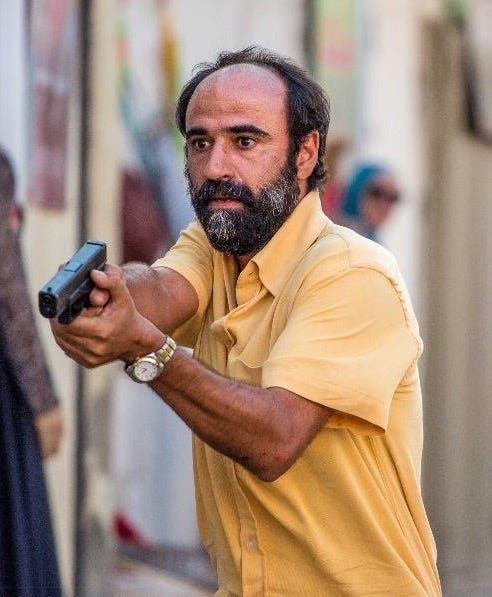
The show relies on a lot of old military/LEO tropes but executes them well. Like karaoke, the appeal doesn’t derive from pure originality. You’re here for the performance. It’s not so much that you don’t notice the clichés. You just don’t care because they hit all the right notes.
Doron’s primary defense against these various predicaments, his wife and kids pulling him in one direction, his passions and duty pulling him in another, is cope. He doesn’t want to admit his life is falling apart. But on some level he knows because he’s the one who’s making it happen. Like Cain in the Old Testament, he’s cursed, but I suspect that unlike Cain, he wouldn’t have it any other way.
And so the series begins with our anti-hero caught between civilian/family life and the ability to run down narrow alleyways, kidnap, torture, and talk incredible amounts of shit to bad guys who are alternately sympathetic and ingenious villains or incestuous warlords too ugly to goatherd. Not that the Jews don’t go around trying to fuck each other’s main squeezes. They too engage in a bunch of telenovela-type shit, keeping the intensity high throughout and giving the ladies a little something extra.
I want to think I like the show because it shows a bald Jew kicking ass and laying pipe while looking trés cool, drinking coffee and smoking cigarettes, but I wonder if I don’t gel with it because the guy is stuck. He isn’t the man he used to be but he isn’t the man he needs to be either. He feels called to instantiate order, to literally foil the terror caused by shahids but, at a certain point, you wonder what would it take for him to become one. How much is standing between this man and a legacy of martyrdom? A man who chooses family can be tamed but a man alone becomes his own sort of terror.


So, The Sopranos, but Jewish? Okay, I'm in.
This is one of the most intense shows, yet it's so familiar, the streets, the neighbourhoods, the heat is very similar to what I grew up with -- including the falafels (lot of Iraqi refugees where I live in India). The threat is not the same though but I can imagine how it must feel for the border to be that close. Lior does a great job as both showrunner and lead actor.